
 9:14
9:14Original: Toyota's Toughest Truck Tempts with a Utilitarian Ranger Super Duty Rival
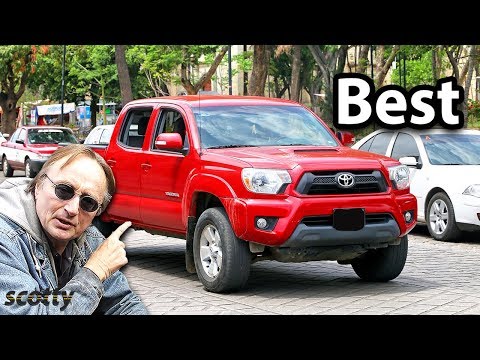
Toyota is introducing a new heavy-duty truck model designed to compete directly with utilitarian vehicles like the Ranger Super Duty.
The introduction of Toyota's new heavy-duty truck, positioned as a direct competitor to utilitarian vehicles such as the Ranger Super Duty, signals several shifts within the commercial vehicle parts market and maintenance sector. From a parts category perspective, the most significant shifts are likely to occur in chassis, powertrain, and potentially advanced electronics. A new heavy-duty platform implies a redesigned chassis, leading to new specifications for suspension components, braking systems, and driveline parts. This will encompass everything from leaf springs and shock absorbers to brake calipers, rotors, and axle shafts, which are often subject to higher wear rates in heavy-duty applications. The powertrain, including the engine and transmission, will likely feature new or heavily revised designs to meet the demands of a 'tougher' truck, potentially incorporating advanced emissions control systems and more robust internal components. This could lead to new part numbers for filters, sensors, and even major engine overhaul kits. While the summary emphasizes utilitarian aspects, modern heavy-duty trucks often integrate sophisticated electronics for safety, driver assistance, and fleet management, suggesting new modules, sensors, and wiring harnesses will enter the market. Maintenance floors will need to prepare for specialized diagnostic tools and updated service procedures. Technicians will require training on new engine management systems, transmission diagnostics, and the integration of advanced driver-assistance systems (ADAS). Compatibility changes versus prior Toyota heavy-duty models are almost certain, given the direct competitive targeting. This suggests a reduced interchangeability of major components, requiring distributors and service centers to manage a broader inventory of unique parts for the new model. Supply chain implications include the need for parts manufacturers to tool up for new specifications and for distributors to adjust inventory s
* Auto-analyzed by Gemini AI from a commercial vehicle parts market perspective.
The full original article is available on the source publisher.
View full article on Gear PatrolRECOMMENDED
Popular OEM brand parts you may be interested in.

